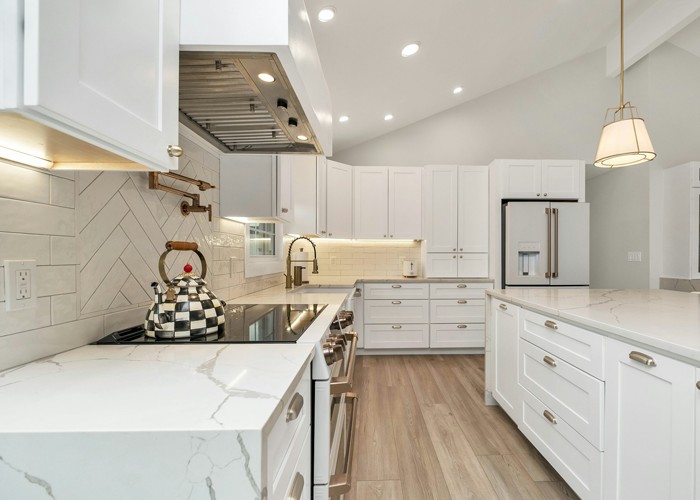
A good kitchen feels clear, steady and easy to move through. Many homes look tidy on the surface yet still slow people down during meals or busy mornings. At Group DL LLC, we study how a kitchen breathes. We watch how hands move, where feet stop, how steps circle back and how space reacts to daily habits. We see patterns repeat across many homes, so we help owners shift from pretty layouts to true flow.
We also work with families who ask for smart planning help during large work such as residential Kitchen remodeling in Redmond, WA. Style plays a role, yet smooth work paths matter more. Once flow improves, life inside the space feels lighter. That is what guides our choices.
Below, we walk through upgrades that push tasks forward and reduce stress. Each idea comes from homes where we have seen real change, not surface talk.
A Space That Moves With You
A kitchen feels natural when tasks move without extra steps or reach. People often stretch or twist at odd angles without noticing. We watch those moves closely. Flow grows strong when storage, prep spots and tools sit close to the moments they support.
Many homes place key items far apart. Large drawers sit too low. Spices hide at the back of narrow spots. Trash sits far from prep space. These slow tiny moments that happen hundreds of times each month.
Useful shifts include
- Larger drawers close to the prep zone
- Trash and compost close to the cut area
- Spices near the stove but still easy to see
- Taller storage that reduces awkward bends
Small moves like these take little effort yet save hours over months. We see families breathe easier once the space stops fighting them.
Spaces For Work, Not Just Storage
Many kitchens store a lot yet still feel crowded. Storage works well when shaped around daily rhythm. Depth, height and reach shape how a cabinet feels during fast routines.
Open shelves look good but slow people during busy hours. Items collect dust. Hands reach farther. A row of clear drawers often feels far easier for fast meals. People see tools quickly. They stop searching.
Smart storage often uses
- Shallow shelves for small tools
- Drawers with quiet slides for daily items
- Lift-up panels for heavy gear
- Soft separators that sort items without clutter
A smooth kitchen does not hide items. It presents them. That small shift speeds up every step of a recipe.
A Prep Zone That Acts Like a Hub
Every kitchen has a heart. We study that spot first. It often sits near the sink or central counter. A good hub keeps tools, boards, knives and bowls close without crowding.
Many homes place the prep zone too far from water. That forces people to walk back and forth. Wet hands travel across the space. Surfaces get messy. Tension rises.
A strong prep hub features
- A wide surface for safe cuts
- A small bowl for scraps
- Sharp tools stored near eye level
- A towel hook close to reach
- A clear path from water to cut area
Owners often tell us the hub shift changed more than any other update. The space starts to feel thoughtful. Meals feel smoother.
Surfaces That Stay Steady During Fast Work
A kitchen surface does far more than hold items. It must stay steady, clean fast and support sharp tasks without fuss. Some surfaces look nice during showroom hours yet fail once real life begins.
We watch how families use counters. Some cut on boards often. Some bake. Some serve snacks throughout the day. A good surface supports all without stress.
Strong choices offer
- High heat tolerance
- A smooth edge that stays safe
- Easy wipe cleaning
- Enough grip for boards
- Space for plates, pots and tools
Once the counter works with daily rhythm, the whole room feels more grounded.
Appliance Placement That Matches Real Habits
Appliances can support work or disrupt flow. Many kitchens scatter machines across the room. Someone cooks at the stove while another person opens the fridge behind them. Paths cross. Time slows.
We study habits first. Some families cook large meals. Others prep small snacks often. Appliance placement shifts with these details.
Useful adjustments include
- A fridge close to prep zones
- A dishwasher that opens without blocking the sink
- A stove with space on both sides
- A microwave placed at safe reach
- A wall oven set low enough for safe pulls
Once machines sit where tasks happen, the space feels free of crowding.
Traffic Paths That Stay Clear
Crowded homes face extra movement. Kids run through the space. Pets follow. Guests gather near the counter. A good kitchen shapes traffic without stress.
We often add small barriers or layout shifts that guide movement without blocking the owner. A small overhang, a short cabinet or a tall plant can push traffic away from the prep path.
A clear path needs
- Enough width for two people
- No sharp corners at busy spots
- A natural break between prep and gather areas
- A soft guide that directs motion
Once traffic flows around, the cook carries less tension. People gather without blocking work.
Small Adjustments That Create Big Ease
Large remodels help shape fresh layouts, though many homes need only small moves to cut wasteful steps. We have seen families change their whole cooking mood after simple upgrades.
Strong small shifts include:
- A pull-out trash near the cut zone
- A rack for spices close to the stove
- A hook for towels at the right height
- A drawer for daily tools near the prep hub
- Clear labels for pantry items
These changes cost little yet bring real comfort over months of use. Many people tell us they wish they had done them years ago.
We talk a lot about kitchen flow, yet clear work paths matter across other large updates too, such as bathroom renovation in Shoreline, WA. Smooth movement shapes comfort anywhere inside a home.
Final Thoughts
A kitchen can look bright and new yet still slow tasks. True comfort comes from movement that feels smooth. At Group DL LLC, we help owners shape spaces that support daily rhythm. Real shift happens when tools, surfaces and paths match how people live, not how a picture looks.
Good upgrades focus on moments. They support hands. They reduce steps. They make space feel calm. When flow improves, cooking becomes lighter and more joyful.